Cacio ricotta cheese from Salento, for grating | Laterradipuglia

Cacio ricotta cheese

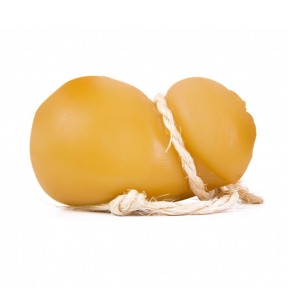
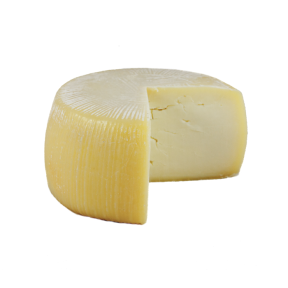
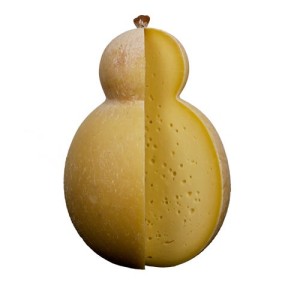
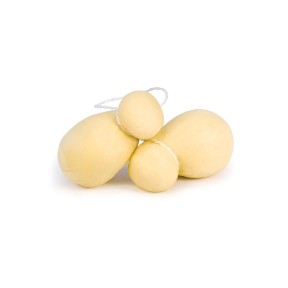
Cacio ricotta is a specialty of Salento, in Puglia: sheep and cow milk, rennet, cultures and salt. It is grated over traditional dishes, starting with pasta in tomato sauce. Artisanal cheeses of about 250-300 grams, vacuum-packed.

Volume discounts

Quantity Unit discount You Save
4 6% €1.63
€6.80
Tax included
Quantity
Available, ready to ship
Delivery in 24/48 hours Prepared within 24 working hours
Secure payments Card also without a PayPal account
Returns within 14 days Right of withdrawal, no reason needed
We answer you ourselves Write to us on WhatsApp · 338 859 1106
Data sheet

Reference
CACIORICOTTA
Origin area
Lecce / Salento
GMO Free
Si
Handmade product
Si
Preservatives used
No
Ingredients
Latte di pecora, latte di capra, caglio e sale
Short production line / 0 Km
Si

Description

🧀

Cacio Ricotta Cheese

“The grating cheese of the Salento tradition.”

Cacio ricotta from Salento, made with sheep and cow milk, rennet, cultures and salt, in the dairy of the farm that raises its own animals.

Sheep and cow milk For grating Vacuum-packed

Cacio ricotta cheese is a typical product of Salento, the southern tip of Puglia. It is made with sheep and cow milk, rennet, cultures and salt, and its place is on top of the dish: a table cheese meant to be grated over the classics of the Salento tradition and of Italian cooking as a whole.

It is an artisanal product, and you can tell from the size: each cheese weighs about 250 to 300 grams, and a few grams more or less depend on the handcrafting and on the aging. It arrives vacuum-packed.


Where it comes from

From the barn to the dairy

Cacio ricotta comes from a farm that has been working for over 25 years and does everything in-house: it grows, raises, milks and makes the cheese.

1
The fields
About 100 hectares, farmed mainly to feed the animals every day: barley, oats, corn, field beans and hay.
2
The animals
800 Sardinian sheep, 200 Chamois-coloured goats and about 70 cows of the Friesian, Red Pied and Brown Swiss breeds.
3
The milk
Only the farm's own milk is used: it is pasteurized and processed in the dairy on the farm.
4
The cheese
Milk, rennet, cultures and salt, with traditional techniques and years of experience; then the aging and the vacuum packing.

In the kitchen

Where to grate it

🍝
Orecchiette with tomato
The most Salento gesture there is: a grating of cacio ricotta over semolina orecchiette in tomato sauce.
🍅
Over tomato and basil
On a ready-to-use tomato and basil sauce, just warmed up, to dress pasta in a few minutes.
🌀
Sagne ncannulate
Semolina sagne ncannulate in tomato sauce, with cacio ricotta grated on top.
🧀
On the table
It is also a table cheese: serve it in shavings or slices, alongside other traditional dishes.

The recipe

Pasta with tomato and cacio ricotta

The simplest recipe, and the one cacio ricotta exists for.

1
Warm the sauce
In a pan, the tomato sauce with a drizzle of extra virgin olive oil and a few basil leaves.
2
Cook the pasta
Orecchiette or sagne in salted water, drained al dente.
3
Toss
Add the pasta to the sauce and toss it for a minute.
4
Grate
On the plate, a generous grating of cacio ricotta: it gives the final flavour.
❄️ How it travels. Cacio ricotta ships vacuum-packed, inside a polystyrene box, not in a refrigerated truck: that is why we ship our cheeses in the cool season.

Product sheet

At a glance

Product Cacio ricotta cheese
Ingredients Sheep and cow milk, rennet, cultures, salt
Allergens Milk
Milk The farm's own, pasteurized
Size About 250-300 g, varies from cheese to cheese
Packaging Vacuum-packed
Origin Salento, Puglia
Producer Fratelli Cassese
In the kitchen Grated over pasta with tomato sauce; also as a table cheese

Frequently asked questions

Everything you want to know

What milk is it made with?

Sheep and cow milk, with rennet, cultures and salt. The milk comes from the farm itself, which raises Sardinian sheep, Chamois-coloured goats and cows, and it is pasteurized.

How much does one cheese weigh?

About 250 to 300 grams. It is made by hand and loses a little weight as it ages, so the weight changes by a few grams from one cheese to the next.

Is it for grating or for slicing?

Both: it was born as a grating cheese for traditional dishes, starting with pasta in tomato sauce, but it can also be served at the table in shavings or slices.

How does it arrive?

Vacuum-packed and shipped in a polystyrene box. That is why our cheeses ship in the cool season.

Who makes it?

A farm in Salento that has been working for over 25 years, on about 100 hectares farmed to feed its own animals, and turns the milk into cheese in its own dairy.
🧀

Salento, grated over your plate

Sheep and cow milk, rennet, cultures and salt, made into cheese in the dairy of the people who raise the animals. One grating over pasta with tomato, and you are in Salento.

💬 Write to us

Customer reviews

in Italian

Ottimo, sapori antichi che mi ricordano la mia adolescenza.

Verified buyer
in Italian

Ottimo prodotto, mi piace molto, è come me l'aspettavo !!

Verified buyer
in German

Interessanter milder Käse für den ich mir zahlreiche Verwendungsmöglichkeiten ,insbesondere in Salaten oder in Kombination mit Früchten vorstellen kann. Muß ich aber noch ausprobieren.

Verified buyer

Read all the shop reviews

You might also like


6 other products in the same category:


Customers who bought this product:

   
Nicola
Chiedi a Nicola Nicola è online